
 Deutsch
 English

Unicorn - The dream of all founders
Whether in the startup world or in fairy tales, talk of unicorns always carries with it a mix of fascination, awe, and longing. But what does the term “unicorn” actually mean in the context of startups? One thing is certain: it’s not about a horned horse with a shimmering coat and magical powers.
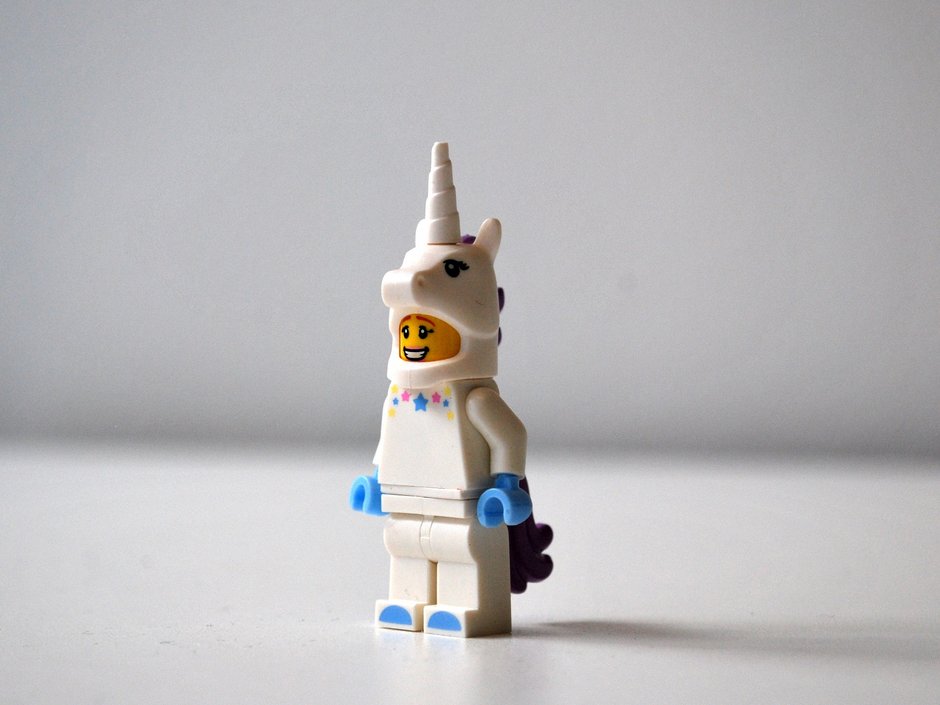
Unicorns in startup-speak
Startups are referred to as “unicorns” when investors value them at at least one billion U.S. dollars—and this is before their initial public offering (IPO) or so-called “exit” (the point at which investors withdraw from the company by selling their shares). Such a high valuation by investors is extremely rare and is generally only assigned when a startup is characterized by exceptionally high revenue, rapid growth, and a high market value. For this reason, the name “unicorn” is very fitting here.
Former "Unicorns" That Everyone Knows
Unicorns, which probably everyone is familiar with, include Pinterest, Xiaomi, and ByteDance, the company behind the video platform TikTok. Facebook, Zalando, and WhatsApp were also once unicorns. Spotify, Airbnb, and Snapchat were even among the “decacorns”—companies that reached a valuation of over ten billion U.S. dollars before their initial public offering (IPO) or exit. It’s striking that unicorns and decacorns are largely found in the internet and/or software industries. For example, a large number of unicorns currently come from the fintech sector, and cybersecurity and e-commerce are also in-demand industries.
Herds of unicorns
It’s also striking that we’ve been hearing more and more about “unicorns” lately. It seems there are whole herds of unicorns out there. In fact, thanks to smartphones, social media, and cloud computing, companies today can reach a larger audience more quickly than they could just a few years ago—and as a result, they can grow faster. Another factor to consider in this context is that, since late 2016, companies have been going public significantly later on average. Whereas this used to happen after an average of four years prior to 2016, they now wait an average of eleven years. As a result, there are naturally far more companies today that have already reached a valuation of one billion U.S. dollars before their initial public offering. However, this remains the exception rather than the rule, and unicorn startups are still something special.
Published on September 22
, 2021 Author: Frauke Leuckefeld